The Challenge
The brief was ambitious and open-ended: design and build a mobile game that is simple, fun, free of predatory practices, works offline, and runs well on low-powered devices. I built a research plan to narrow down this ambiguity into actionable design constraints.
Research & Insights
I framed four research questions to define the product direction:
What is our target audience?
What are the mobile gaming habits of our potential users?
Which similar games have succeeded, and how?
What makes a mobile game good?
I conducted four research methods: market and competitor research, interviews with regular mobile gamers, interviews with industry specialists, and surveys of potential users within the target demographic.
Key findings
Mobile gamers in our target demographic are willing to pay a small amount for software but dislike ads and microtransactions.
Players do not want to pay to progress. Monetization gating is a top reason for uninstalling.
Players stop playing when the game feels repetitive or when they have completed all content.
Not all devices are high-end. Many users experience performance issues with 3D graphics.
Design Process
From research, I concluded that a one-hand, one-finger game was ideal — something fast-paced that invites the player to improve with each attempt. I started working on a 2D platformer inspired by classic Game Boy-era Mario games.
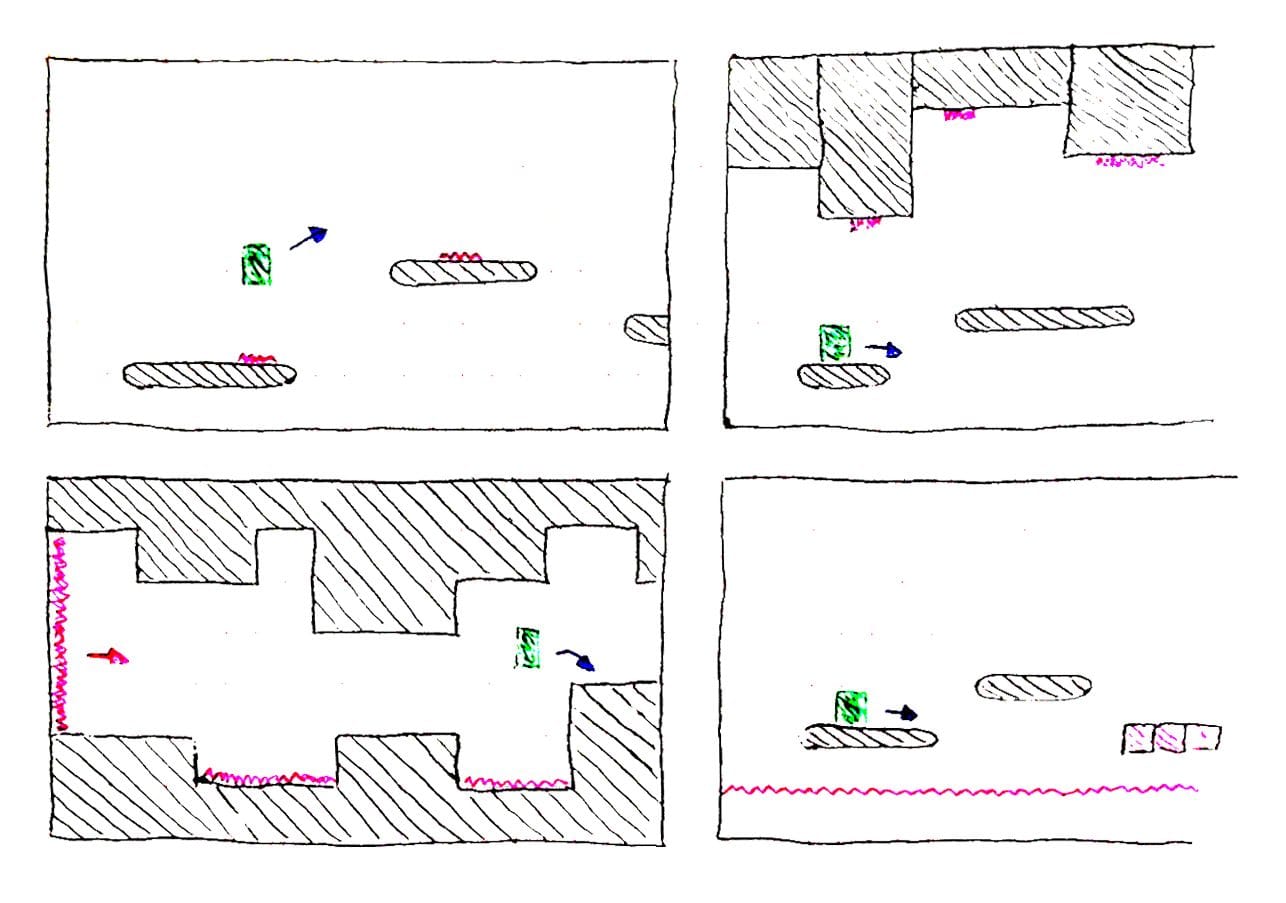
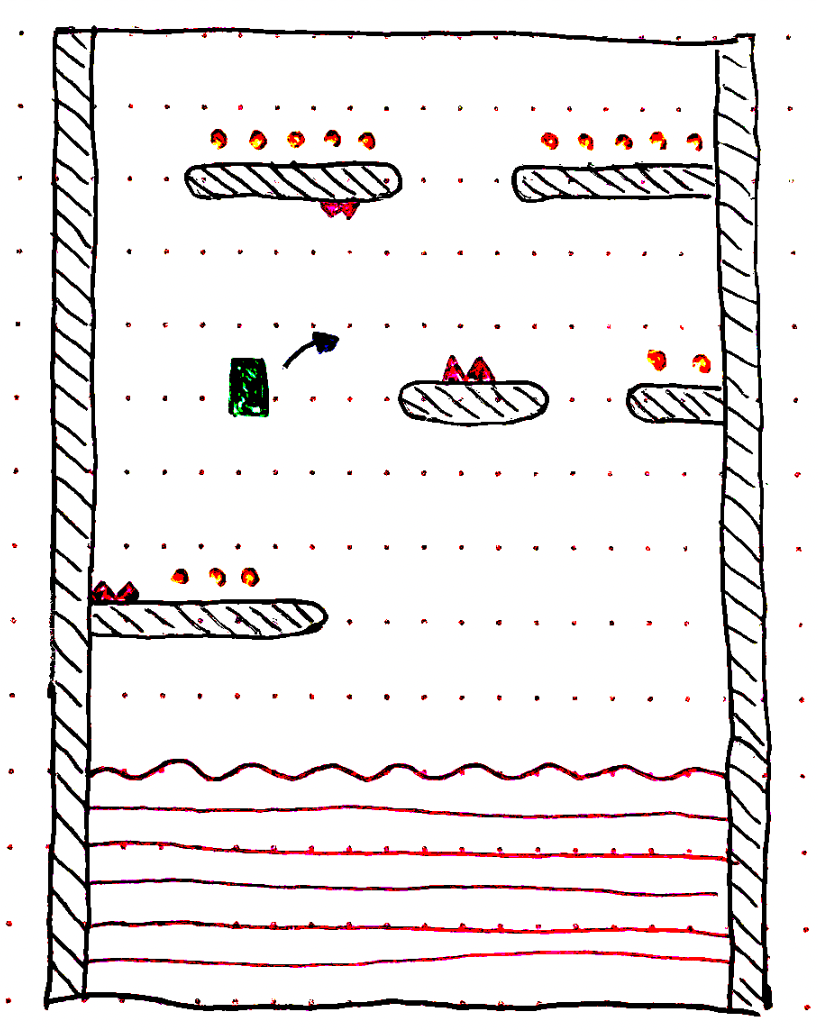
I studied different possibilities — levels vs. endless, vertical vs. horizontal, fixed vs. procedural generation. I settled on a combination of Mario and Flappy Bird: a platform game reminiscent of Mario that can be played with one finger and is infinitely generated until the player fails.
This solved two key research findings at once: infinite generation prevents content exhaustion, and one-finger controls ensure accessibility across device sizes and usage contexts.
Testing & Iteration
I built several prototypes to evaluate gameplay mechanics separately from visual style, and mockups to test art direction independently.
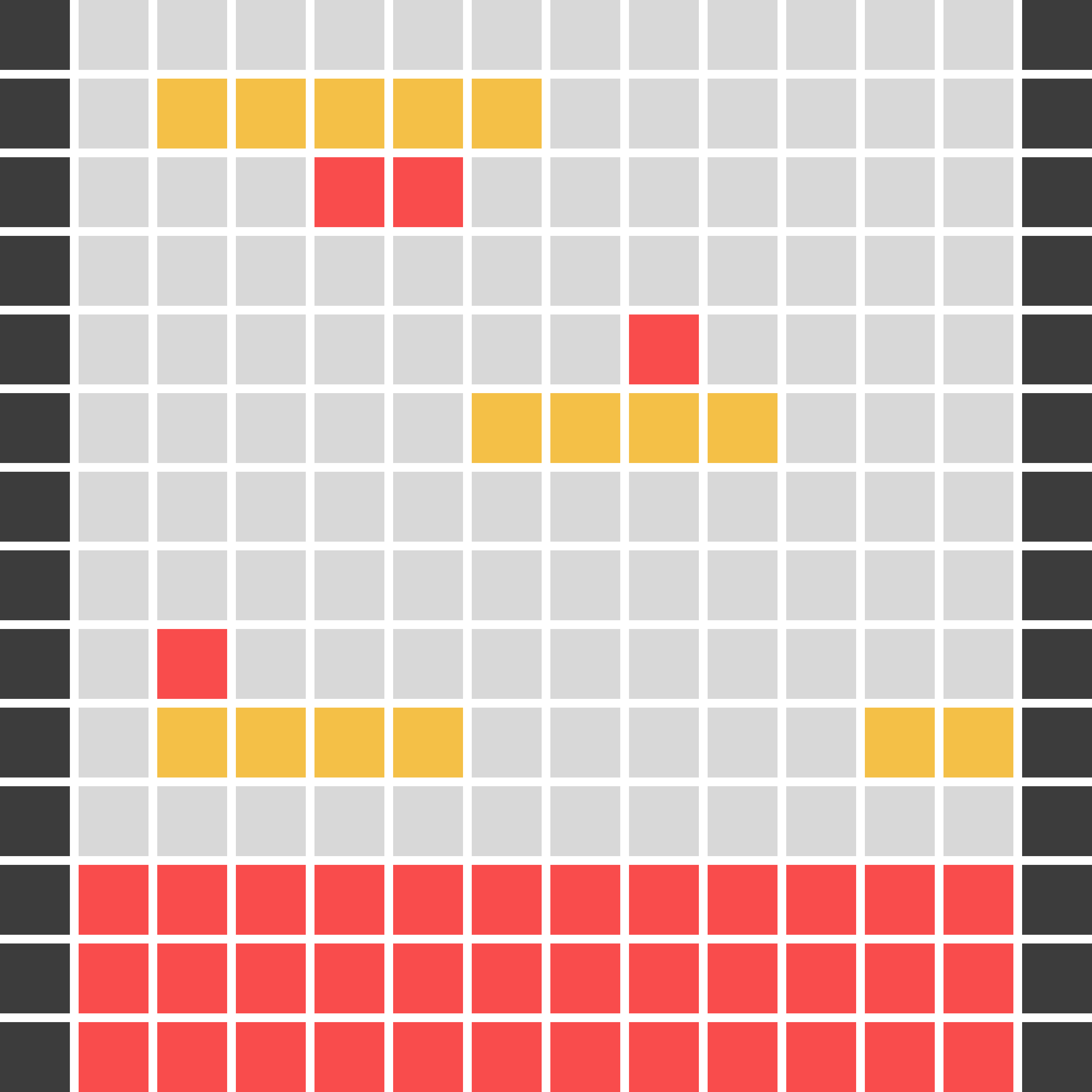
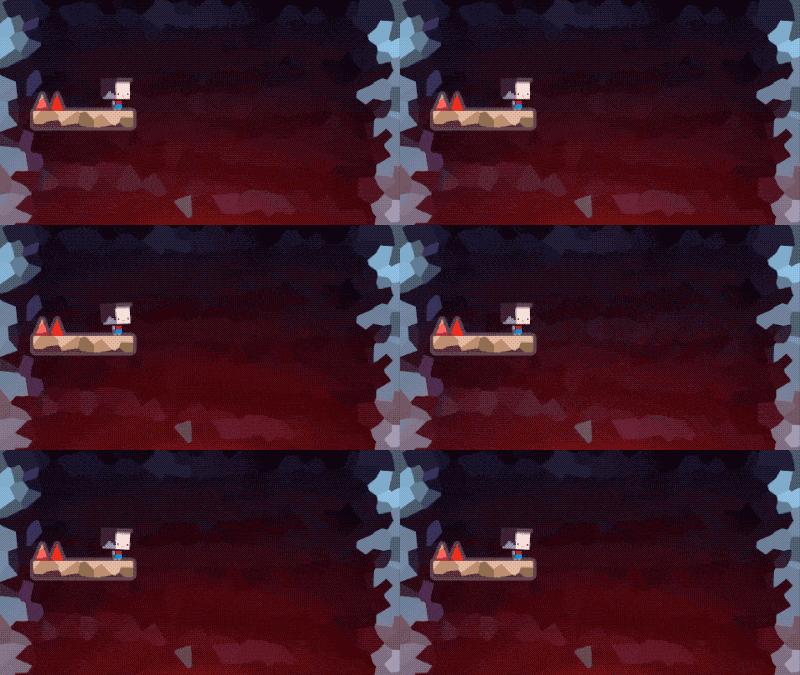
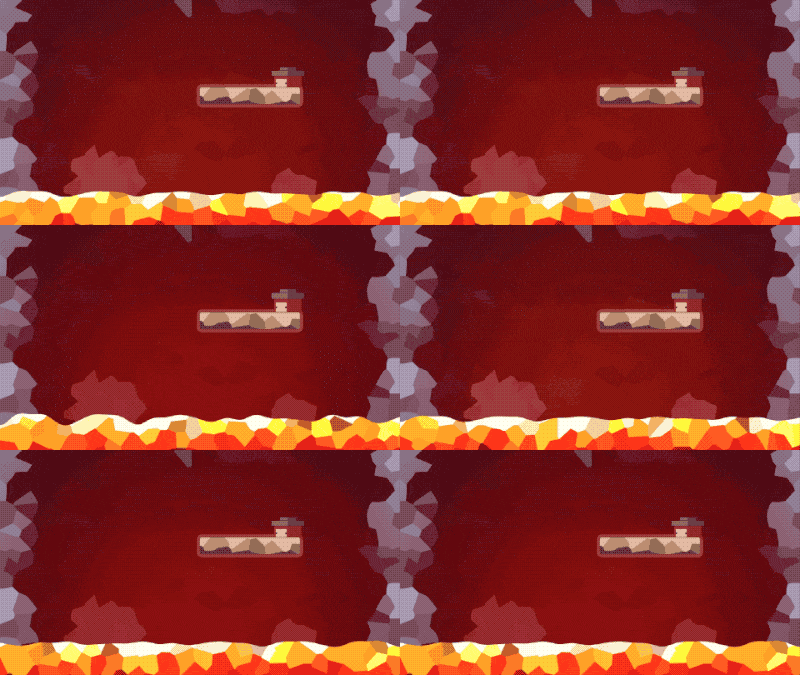
Prototype testing revealed several key decisions:
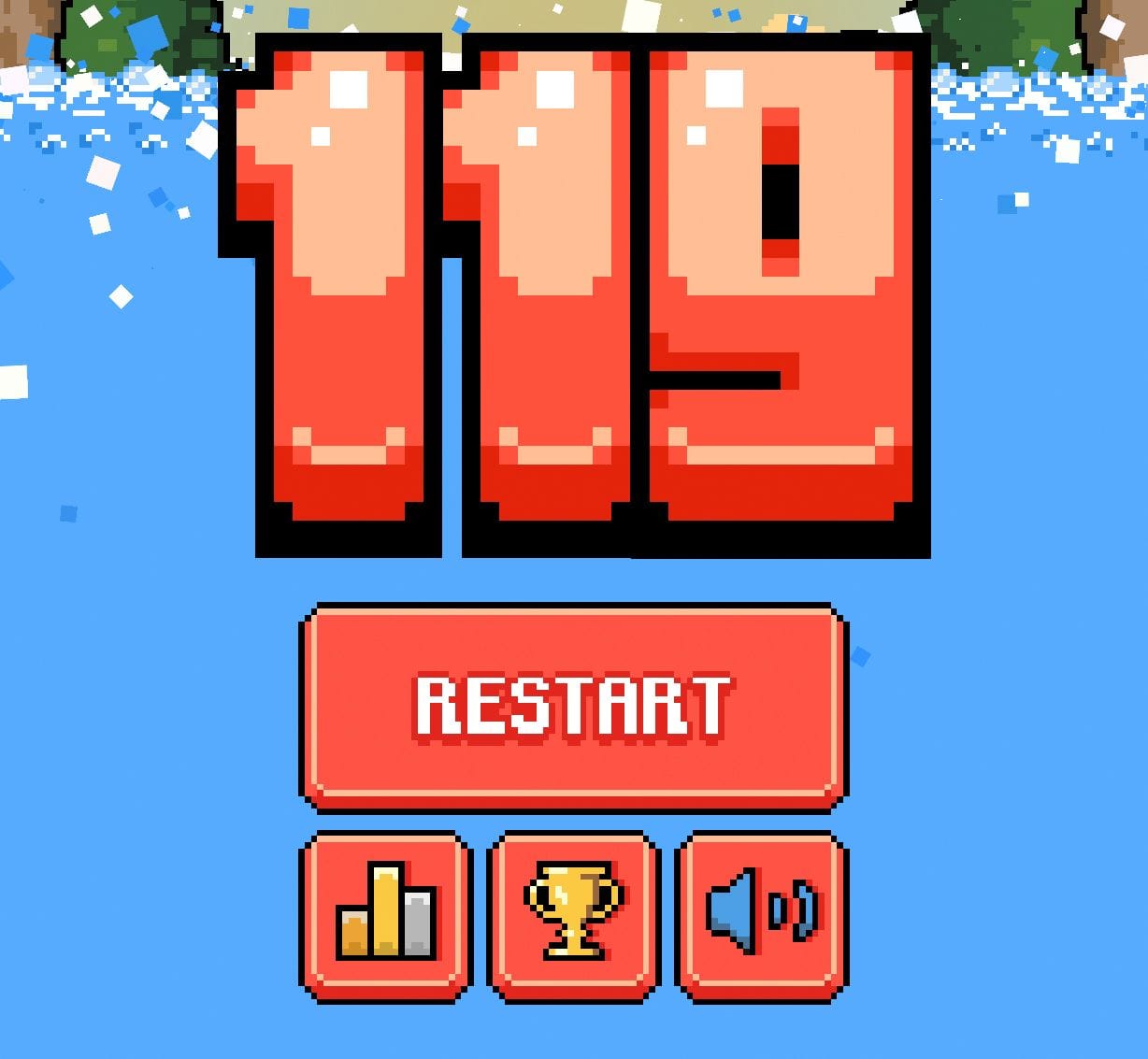
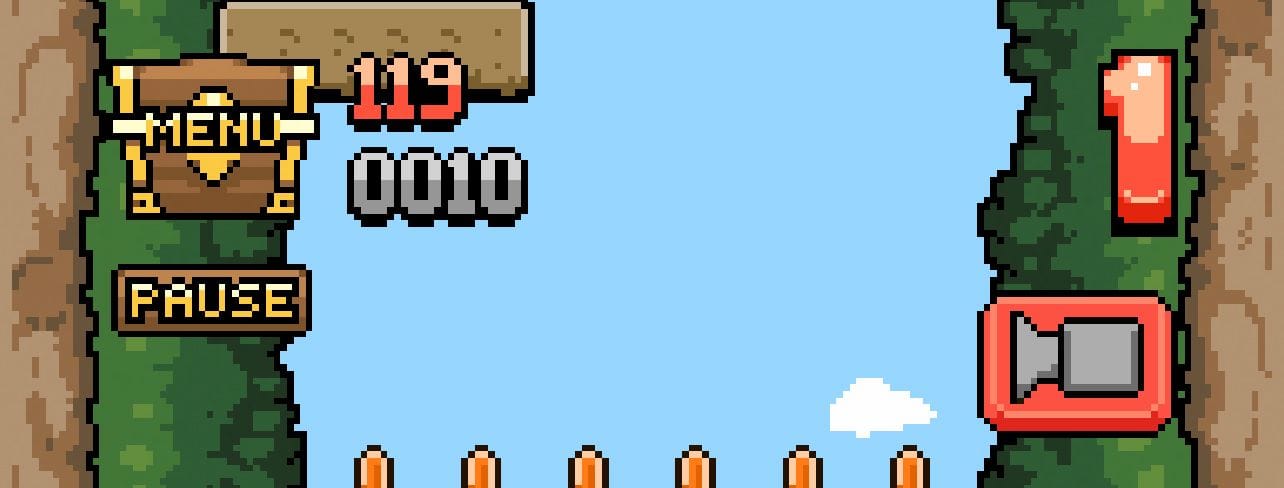
- Industry professionals emphasized eliminating friction between games — restarting after failure should be near-instant. I designed a prominent restart button that appears immediately upon elimination.
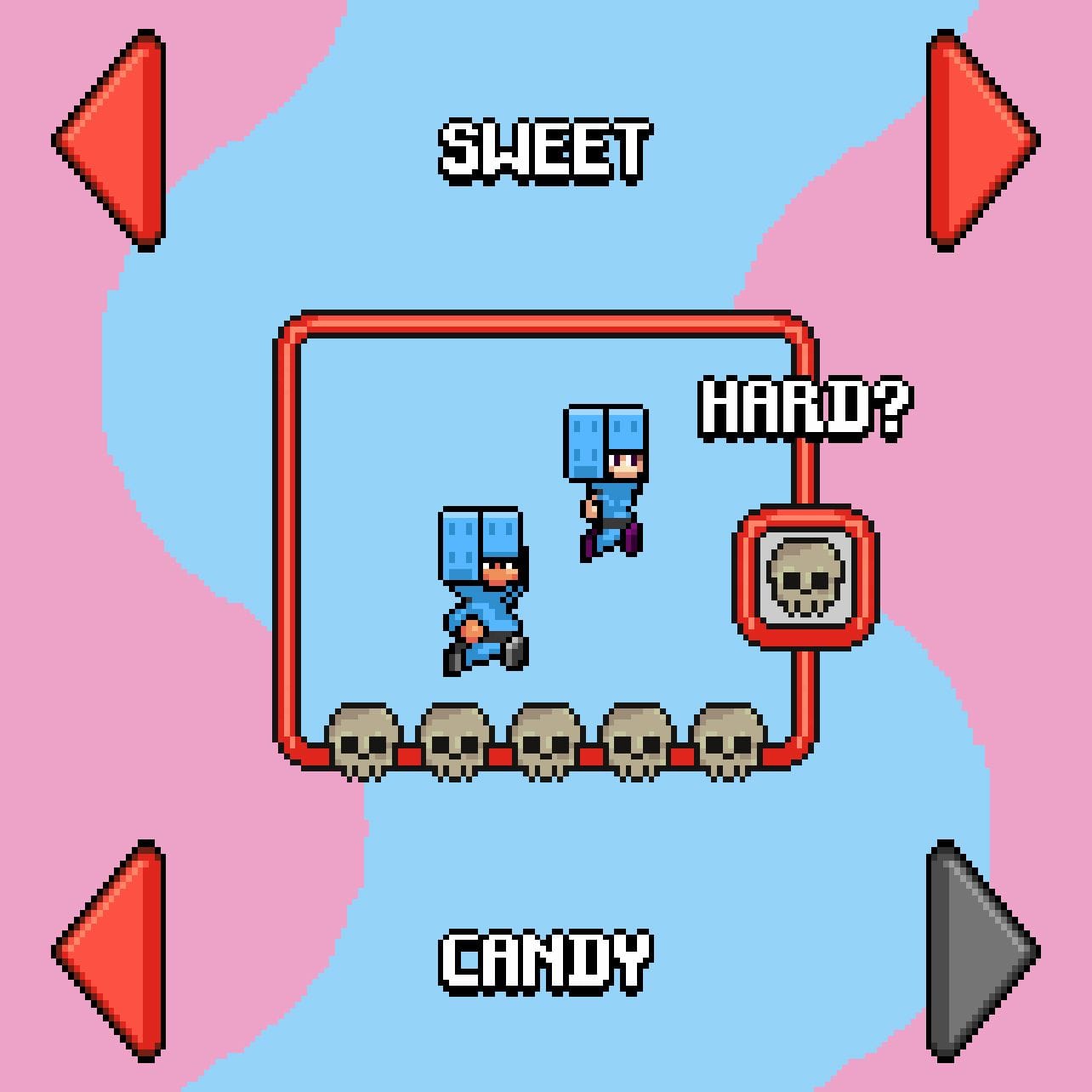
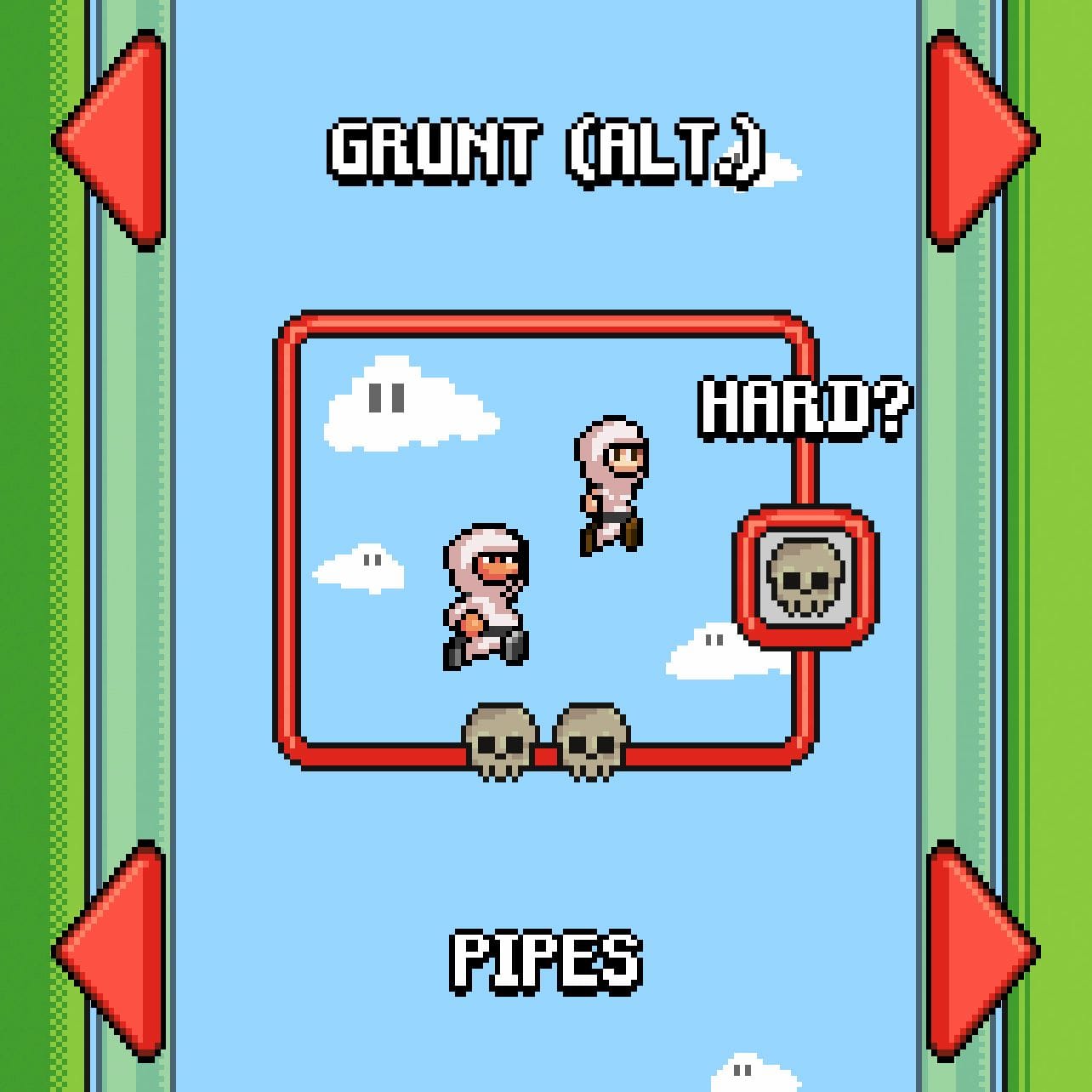
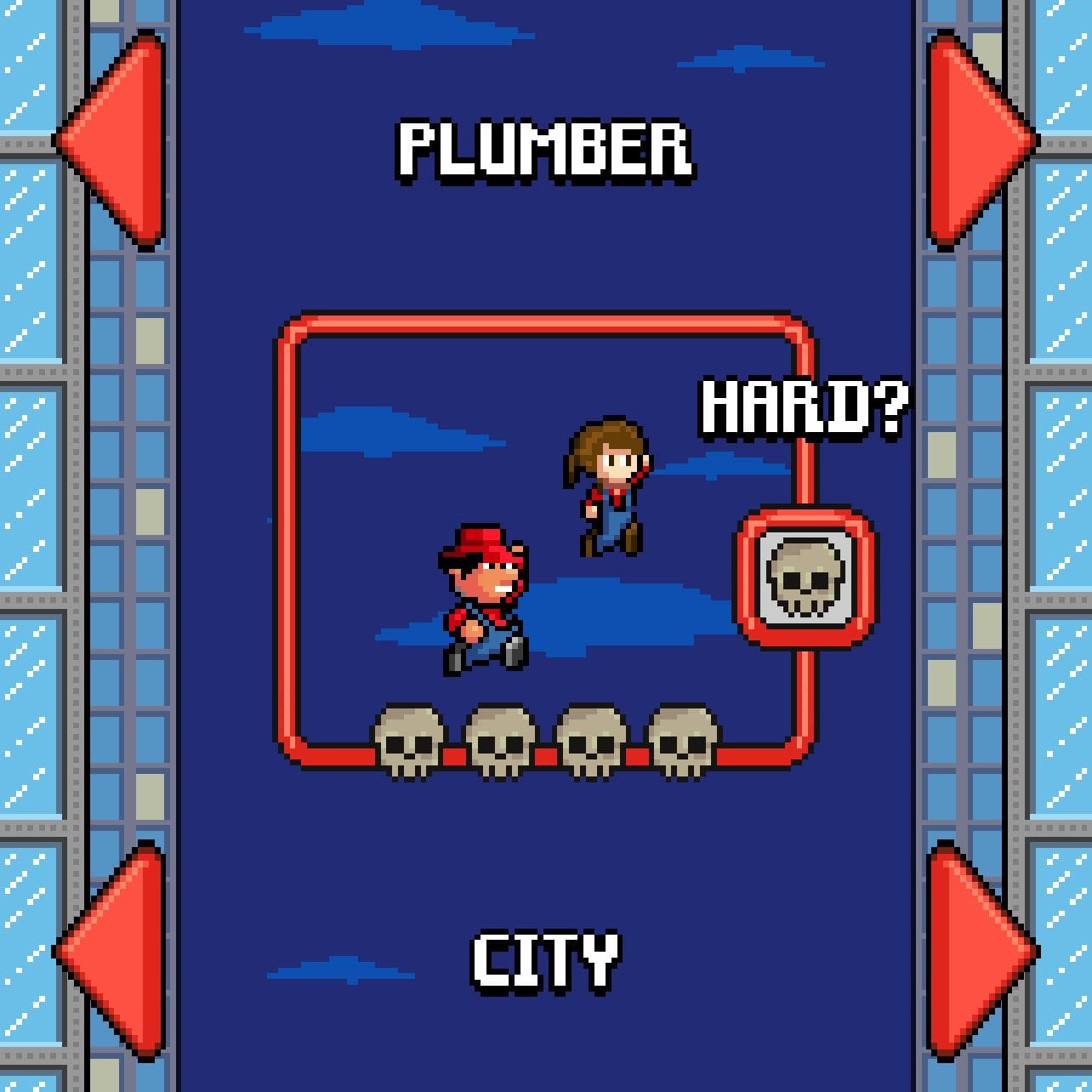
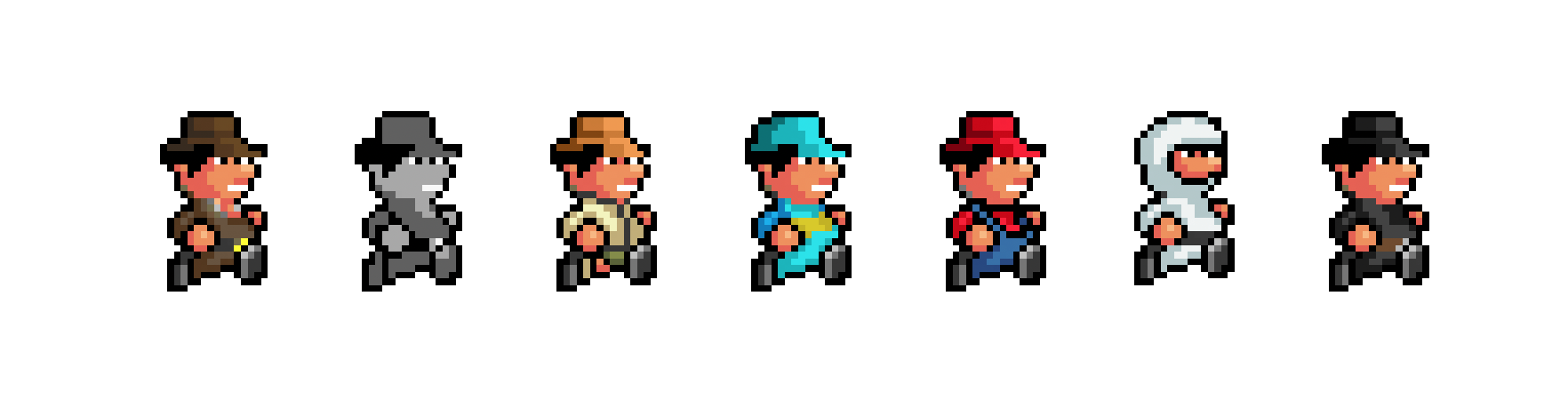
- Players lacked motivation after initial sessions. I introduced unlockable skins and varied level environments to sustain engagement through novelty and collection.
- Technical testers suggested features like in-game recording and friend leaderboards, which I incorporated into the final design.
Final Solution
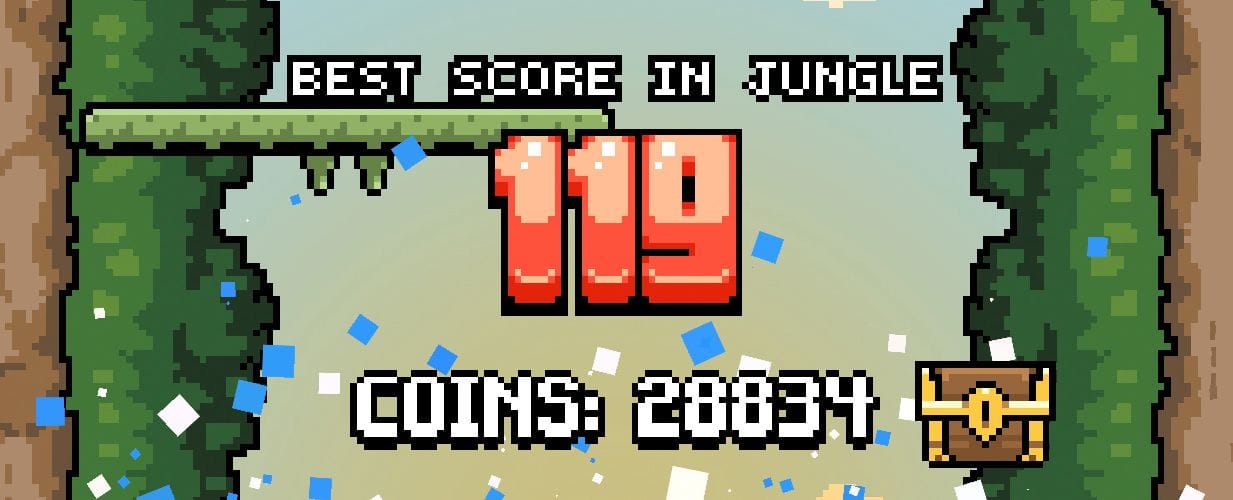
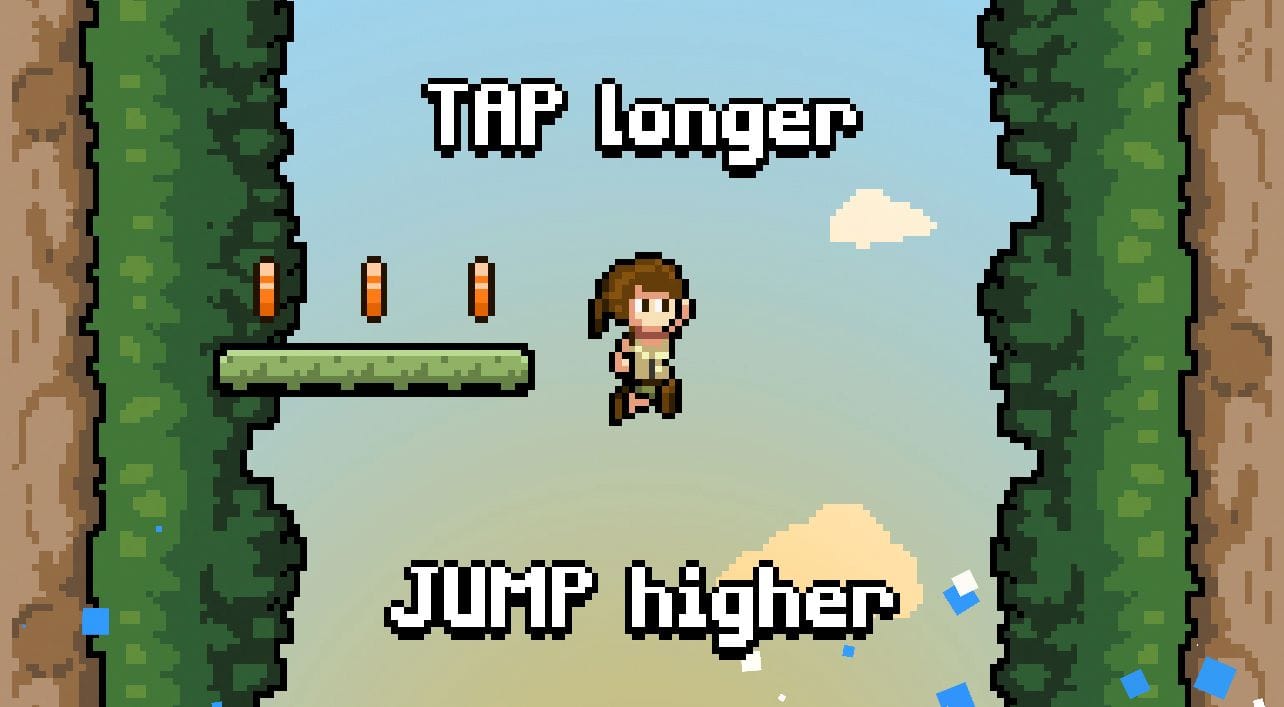
The final product is an infinite runner with procedural generation — each session is unique. The player jumps between platforms to avoid lava, water, and obstacles while collecting coins. The gameplay is extremely simple: the character walks automatically, and the player taps anywhere to jump. Press duration controls jump distance — a challenging but accessible mechanic that anyone can learn in seconds.
Earned coins unlock new maps with distinct visual styles and gameplay dynamics. Each map supports normal and hard modes — the latter adds impassable rock platforms for experienced players.
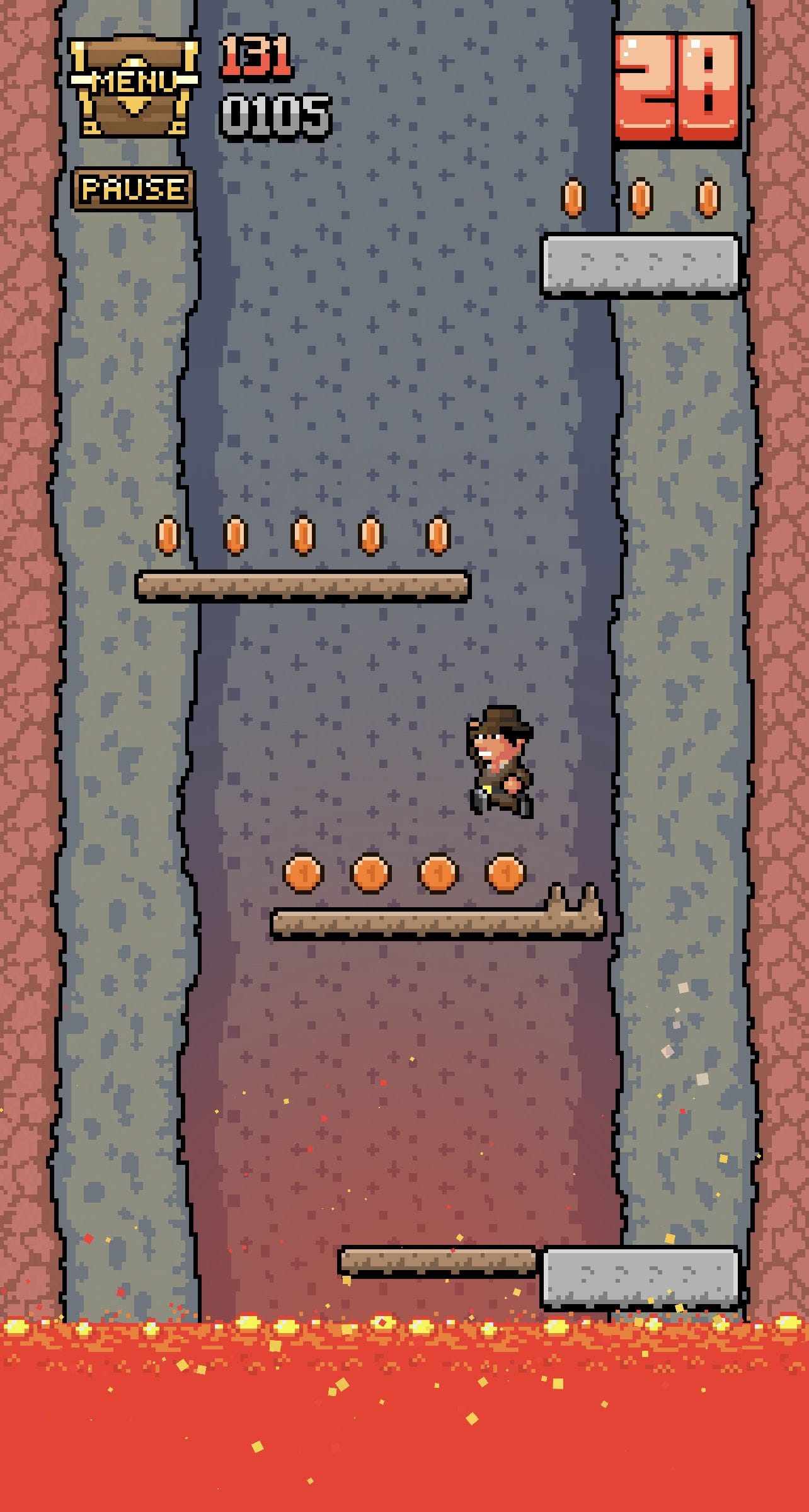
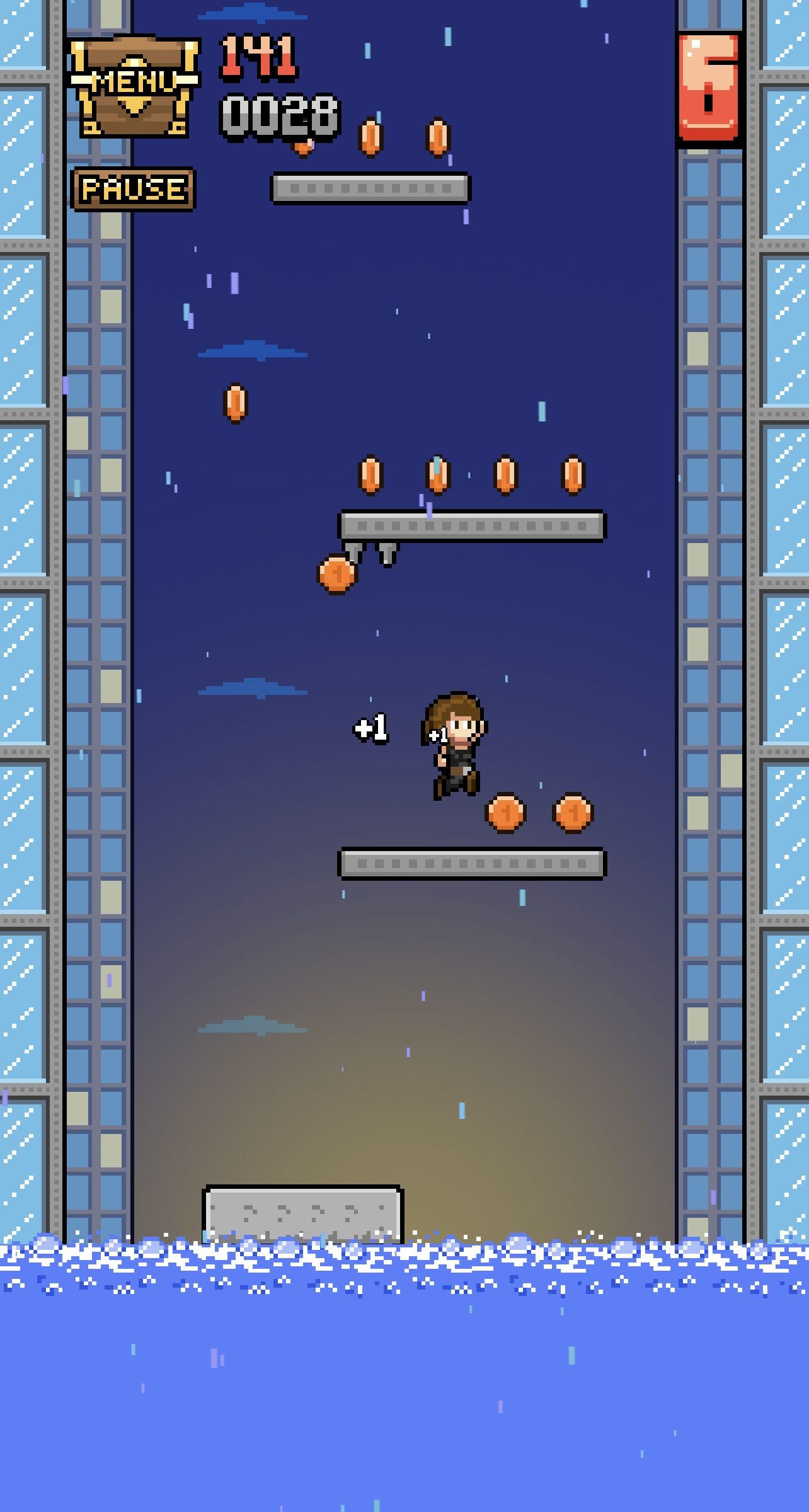
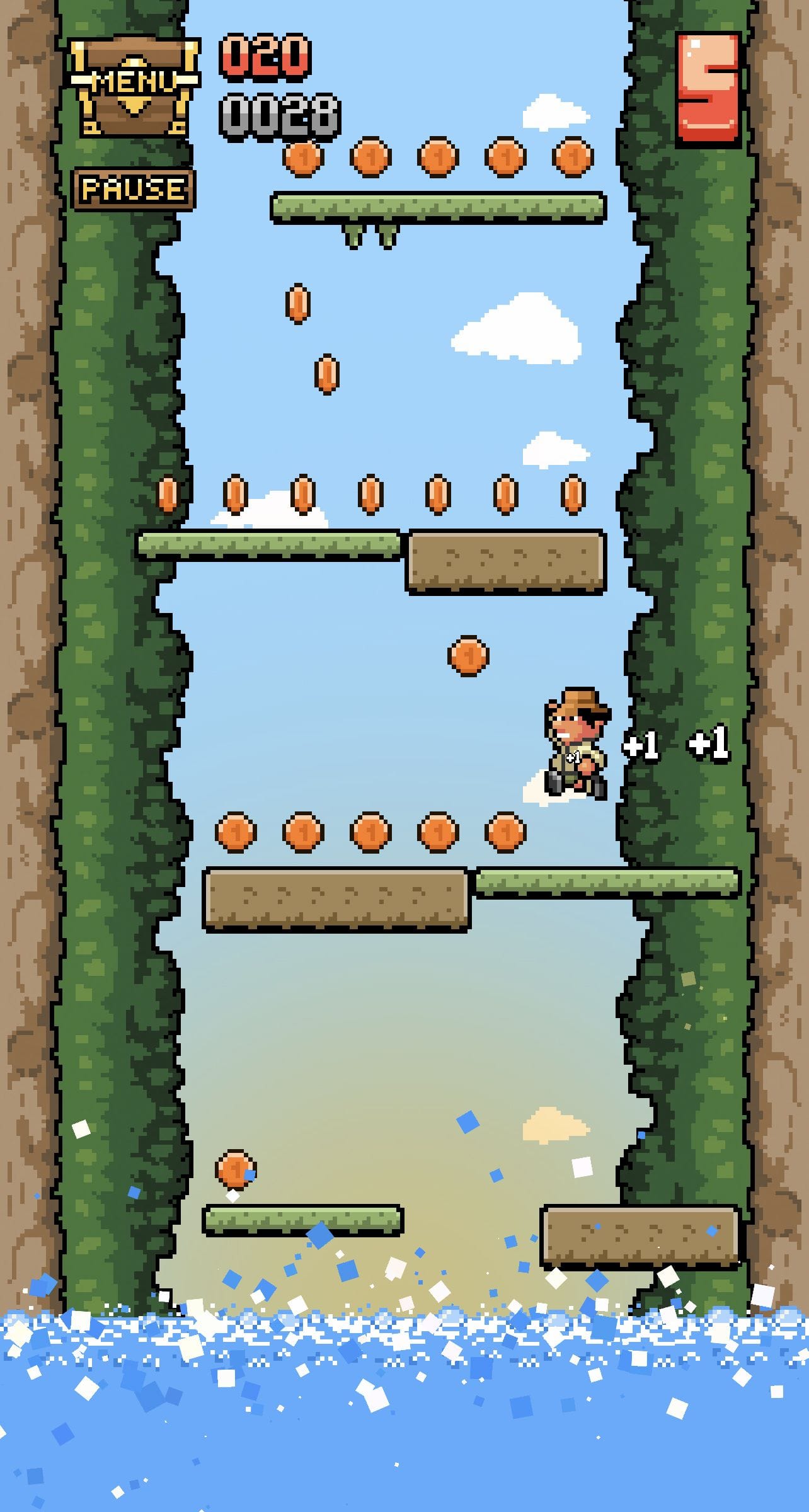
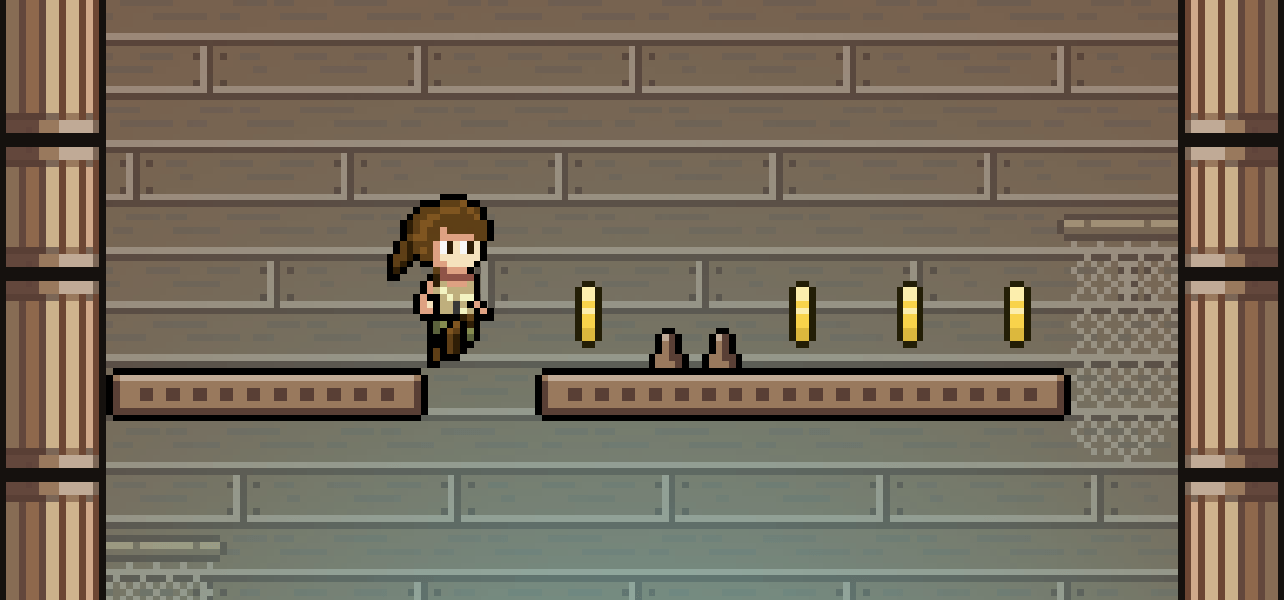
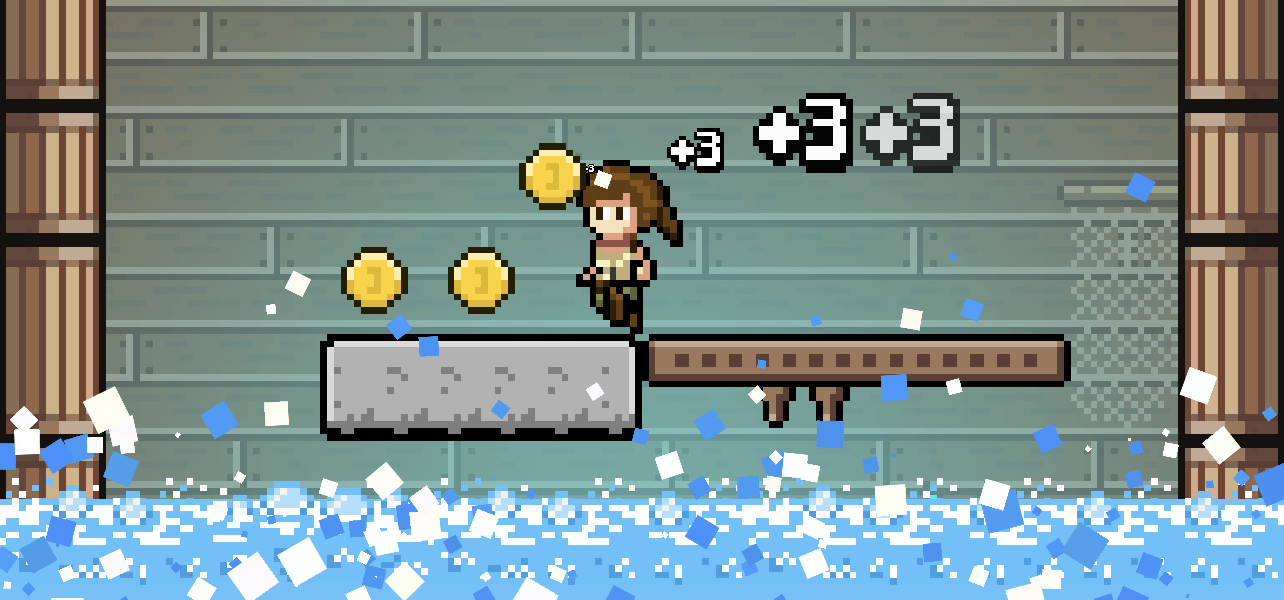
Critically, I made deliberate ethical decisions throughout: no ads, no pay-to-progress mechanics, and no dark patterns. Every unlock is achievable through gameplay alone. This aligned with our research finding that our audience actively avoids predatory monetization.
Impact & Legacy
Hop Raider was well received across every community where it was shared, including Forocoches (the largest Spanish-language forum by active users) and Product Hunt, where it earned game of the week.

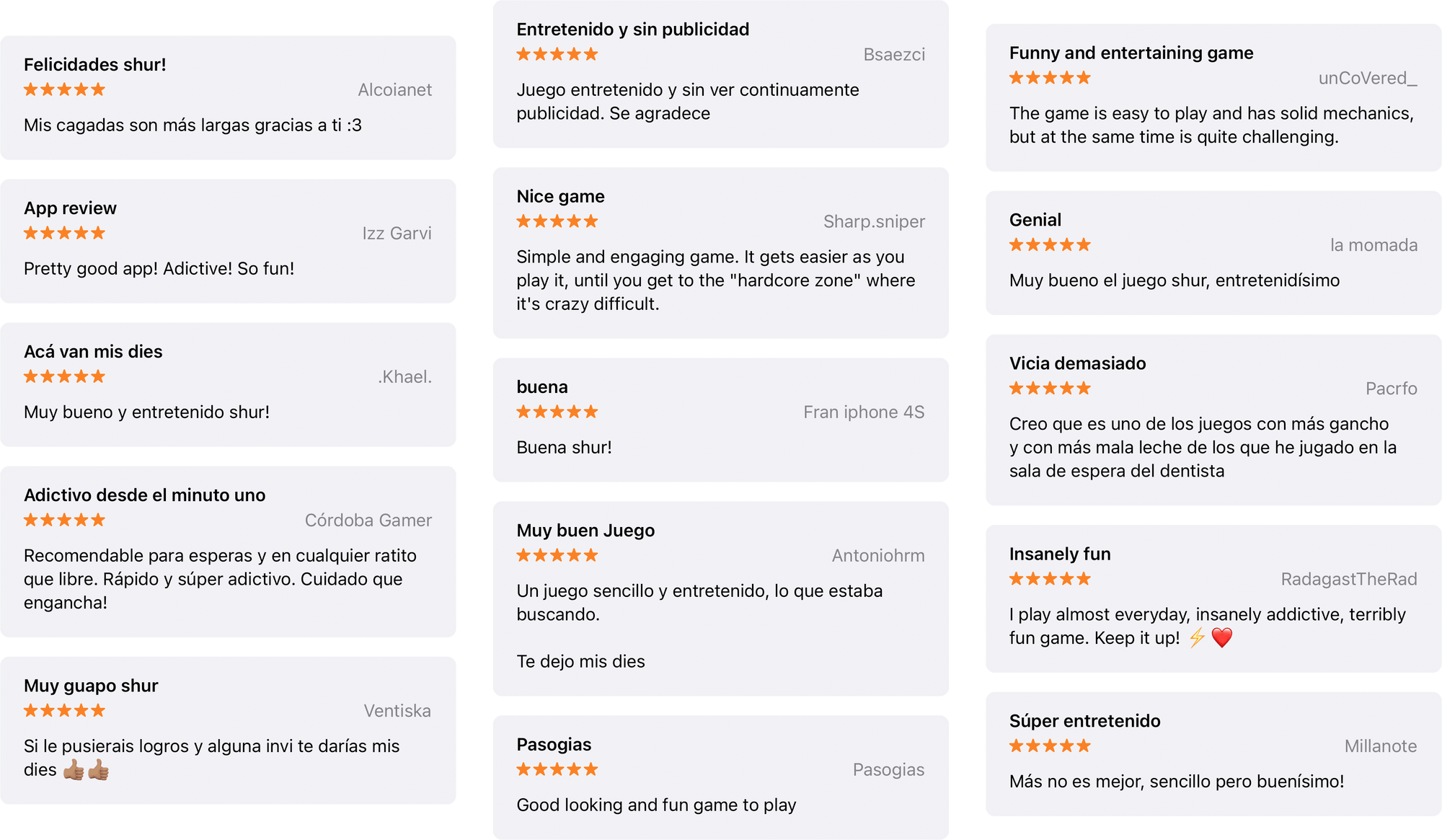
Since launch, Hop Raider has maintained a five-star average rating on the App Store with a consistent stream of positive reviews.
This project validated that research-driven design principles apply beyond enterprise software. User interviews, rapid prototyping, and iterative testing produced a polished product in just two months — and the ethical monetization decisions proved that respecting users is not at odds with building a successful game.